3 hr
Keoladeo National Park Entry Tickets & Guided Rickshaw Tour
- Entry ticket
- Mobile voucher
- Valid same day
- Free cancellation
Keoladeo National Park Tickets — Reserved Entry & Guided Wetland Tours
Reeds bend at first light, wings answer the water.
Compare fares, pick the fit — all bookings are mobile-voucher and eligible for free cancellation where shown.
3 hr
8 hr
4 hr
| Experience | From | Duration | Rating | Pickup | Guide | Free cancel. | Price | |
|---|---|---|---|---|---|---|---|---|
|
Standard Entry
Most popular
Keoladeo National Park Entry Tickets & Guided Rickshaw Tour
|
— | 3 hr | ★ 5.0 | ✓ | ✓ | ✓ | €36 | Book → |
|
Guided Experience
Keoladeo National Park Guided Birdwatching Tour from Bharatpur
|
Bharatpur | 8 hr | — | ✓ | ✓ | ✓ | €82 | Book → |
|
Standard Entry
Ranthambore National Park Safari with Optional Hotel Pickup
|
— | 4 hr | ★ 4.4 | ✓ | ✓ | ✓ | €45 | Book → |
Worth it for birders, overpriced for casual stops
Keoladeo National Park Tickets cost 500 INR per person for foreign nationals, and that buys the gate — nothing else. What you get is unrestricted foot and cycle access across a UNESCO World Heritage wetland from 06:00 to 18:00, with roughly 370 recorded bird species, marsh causeways, and painted stork colonies you can watch from a few metres away. For anyone carrying binoculars, that ratio is strong: no other Rajasthan reserve delivers this density of waterbirds on flat, walkable ground. The catch is the add-ons. Cycle-rickshaw drivers doubling as spotters, naturalist guides, and bicycle hire are all separate, and visitors routinely spend more on transport inside the Bharatpur bird sanctuary than on entry. Casual sightseers who walk one causeway and leave will feel the fee. Serious wildlife travellers get several hours of quiet marsh, egrets, kingfishers and raptors for the price of a mediocre city lunch.
Bottom line: Budget beyond the Keoladeo National Park Tickets tickets themselves and treat the 500 INR gate fee as a deposit on a half-day Bharatpur birding tour — priced that way, the Keoladeo National Park Tickets tour is one of the better value wildlife experiences in northern India.
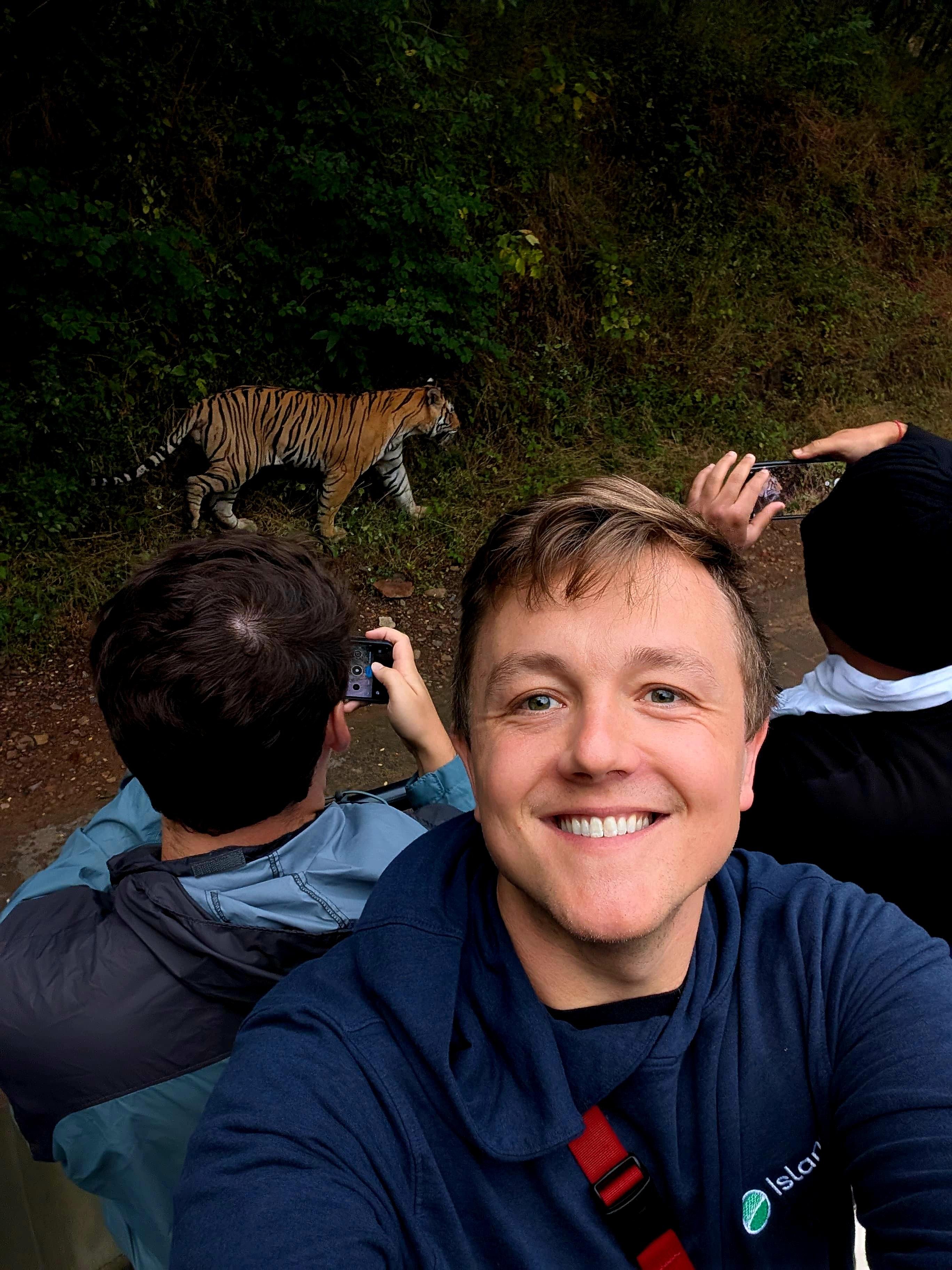
Keoladeo National Park Tickets suit travelers chasing calm, close-up birding on foot or cycle-rickshaw, while Ranthambore answers the call for a jeep-based tiger hunt; most who base themselves between Jaipur and Agra book both rather than pick one.
|
Top pick Keoladeo (Bharatpur) |
Ranthambore National Park | |
|---|---|---|
| What you're seeing | Wetland birdlife, storks, pelicans | Bengal tigers, deer, jungle terrain |
| How you get around | On foot, bicycle, cycle-rickshaw | Shared 20-seat canter or 6-seat jeep |
| Entry cost | 500 INR (foreign nationals) | |
| Typical visit length | 3–4 hours | 3.5-hour safari shift |
| Crowd levels | Low to moderate, spread over trails | High, limited daily zone permits |
| Best paired with | Agra day trips, Taj Mahal route | Jaipur stopovers, multi-zone safaris |
| See tickets & prices |
Verdict: Keoladeo rewards a quiet, self-paced morning among wetland birds for a modest fee, while Ranthambore demands more planning and rupees for a shot at spotting a wild tiger from a shared jeep.
Hand-picked experiences loved by thousands of travelers
6 hours
Free Cancellation
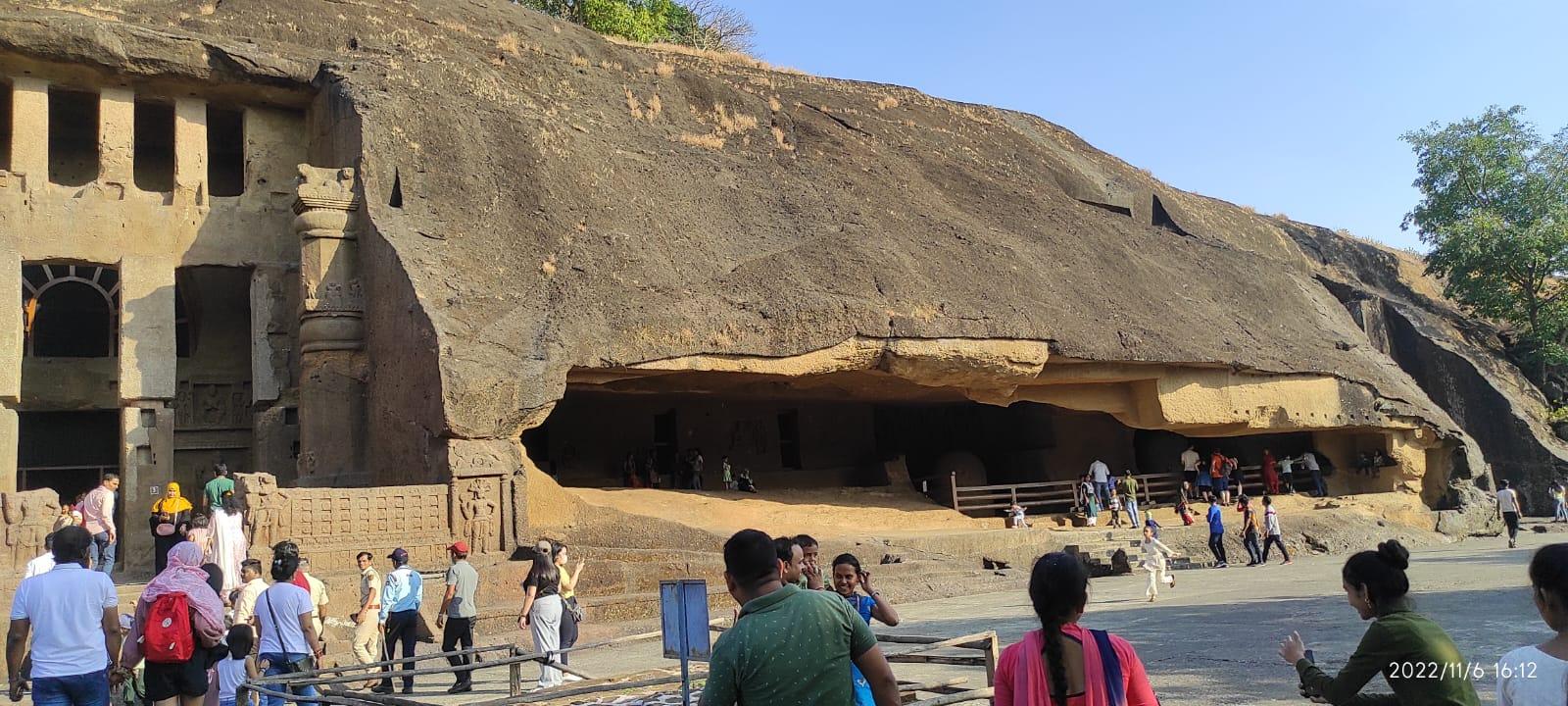
A 6-hour Mumbai escape blending jungle safari, ancient rock-cut caves, and a serene meditation pagoda.
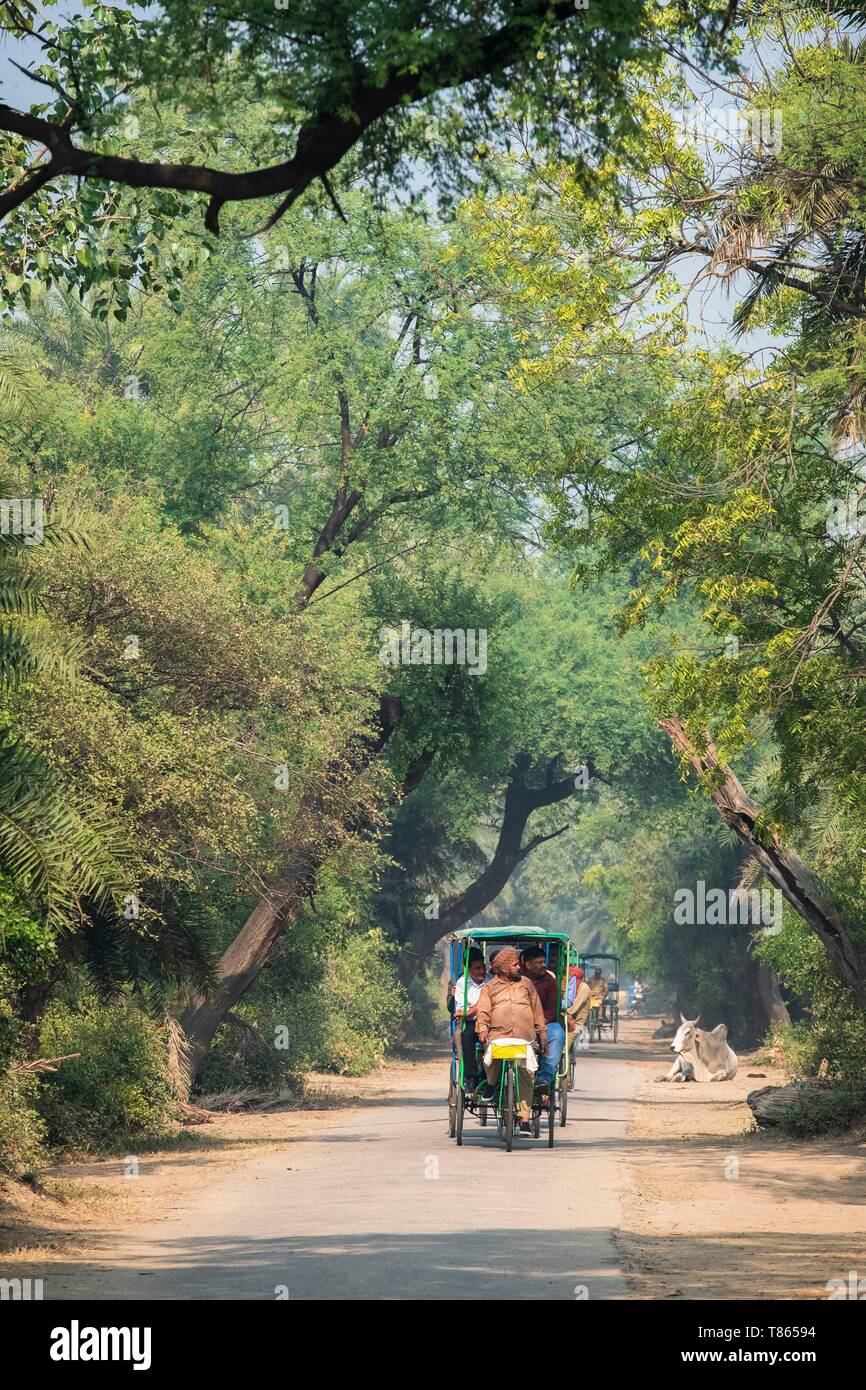
Buy Keoladeo National Park Tickets and pick up a rickshaw or bicycle at the main gate.
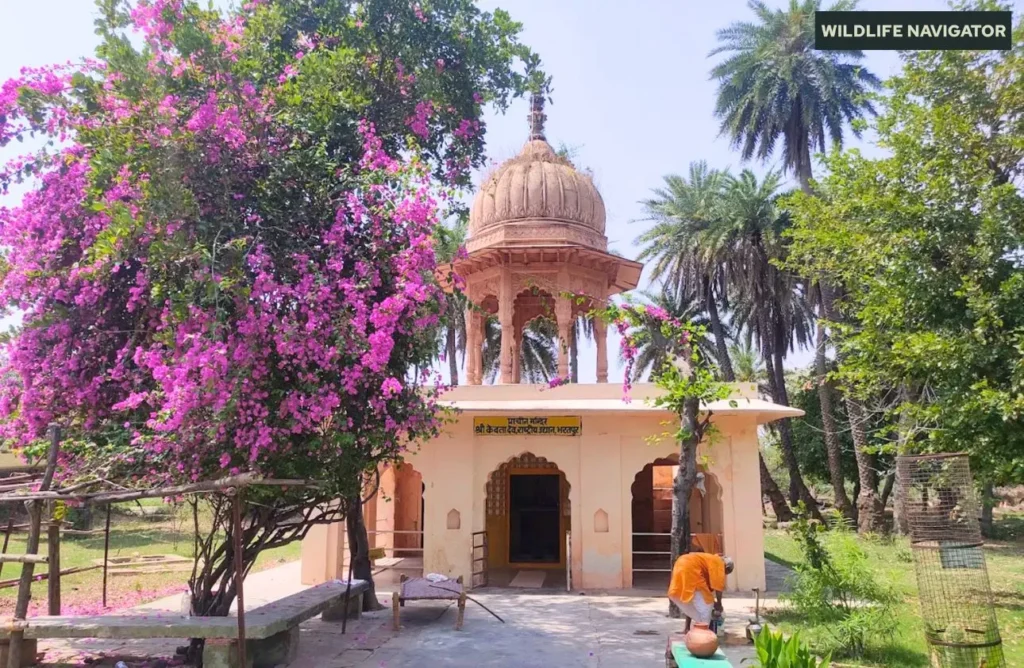
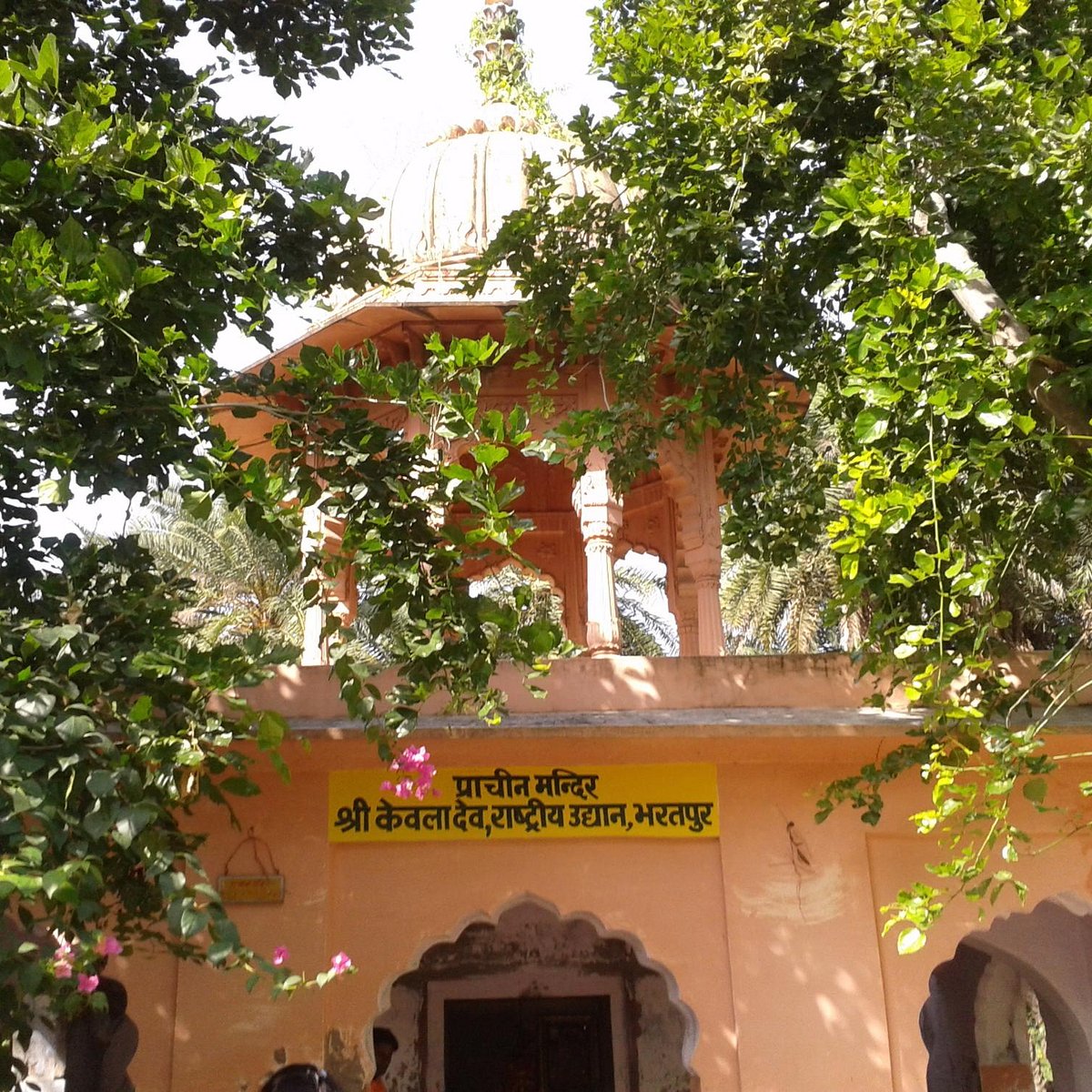
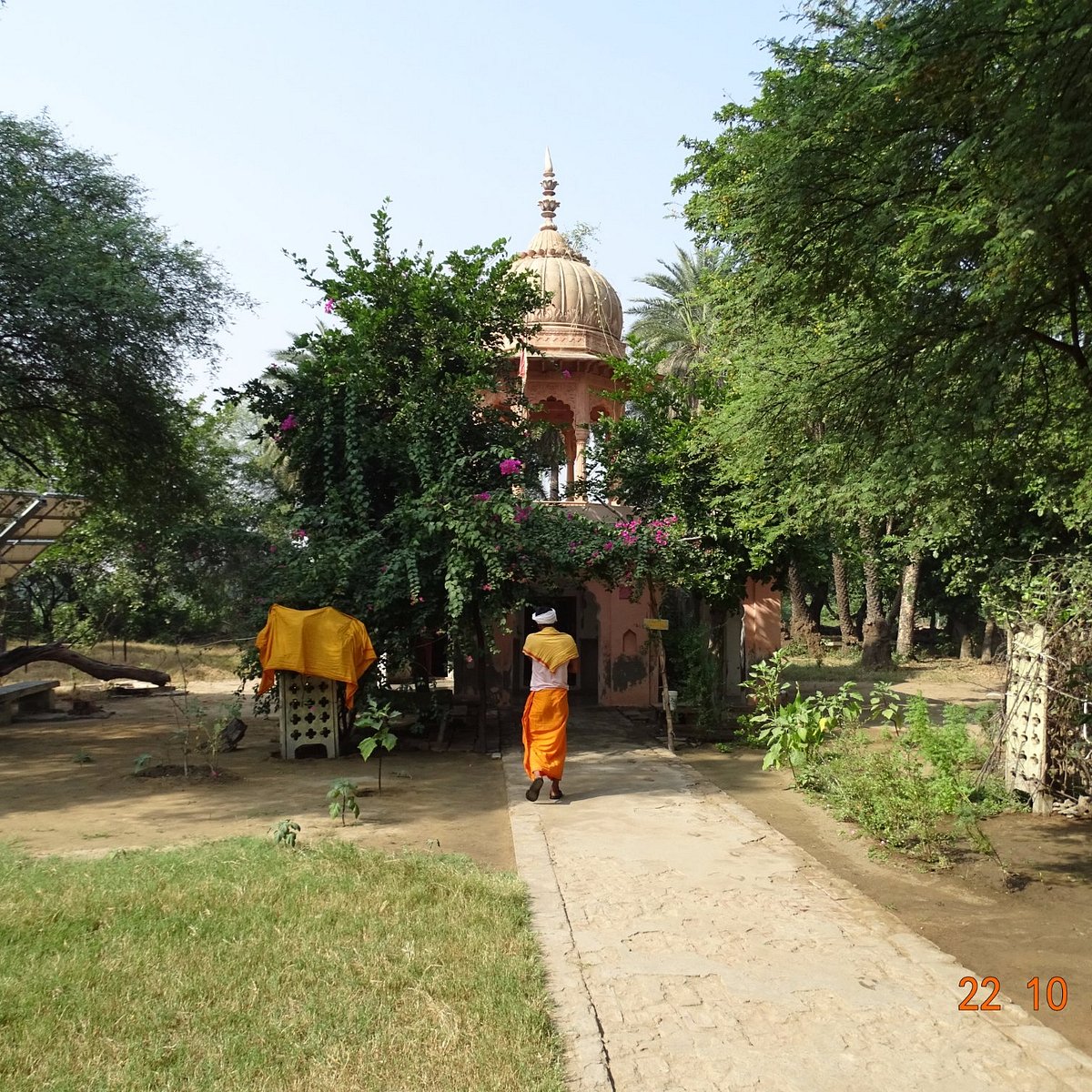
Follow the tarred road toward the small Shiva temple that gives the park its name.
Turn off toward Sapan Mori for close views of Mansarovar and Hansarovar heronries.
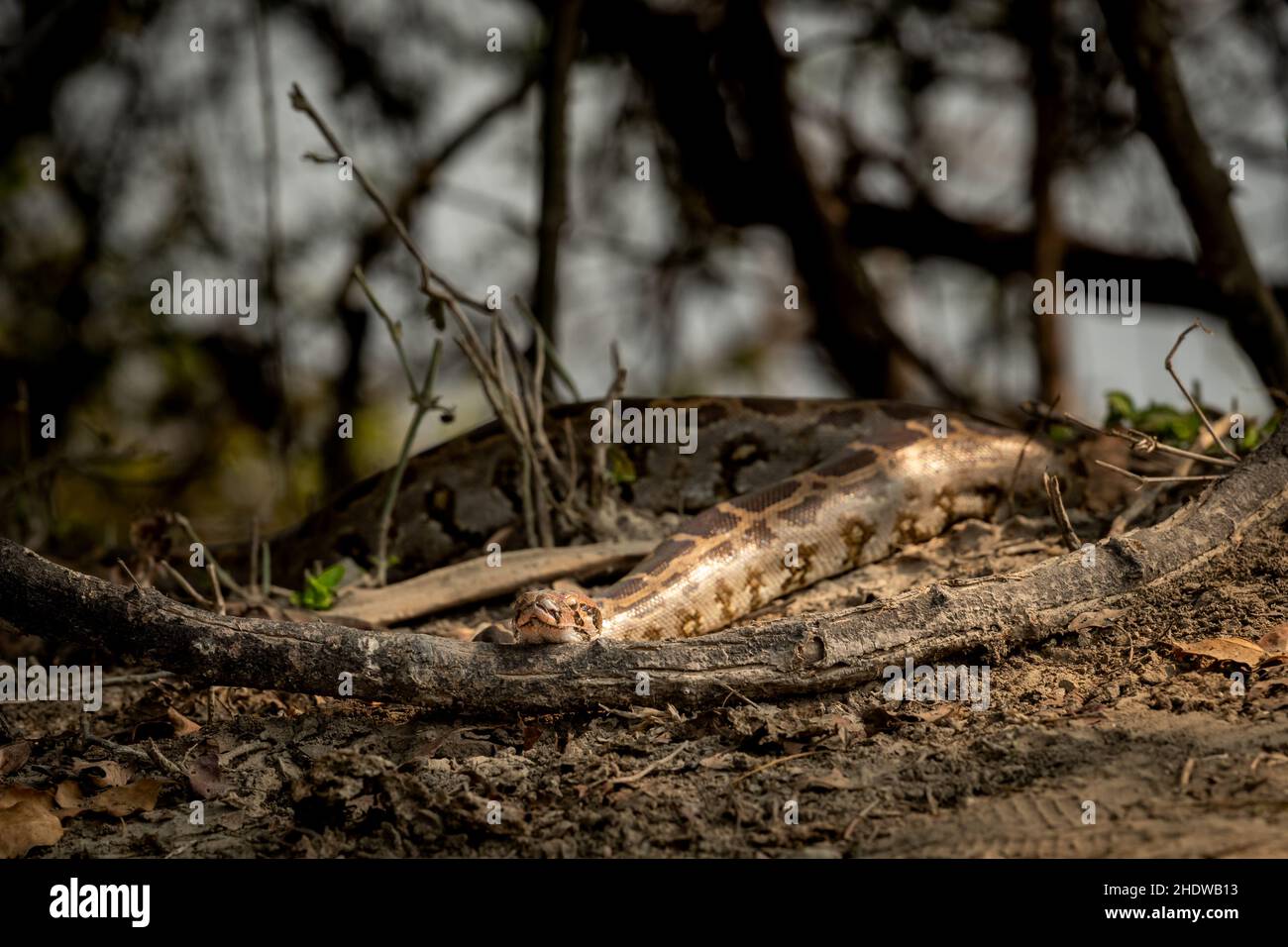
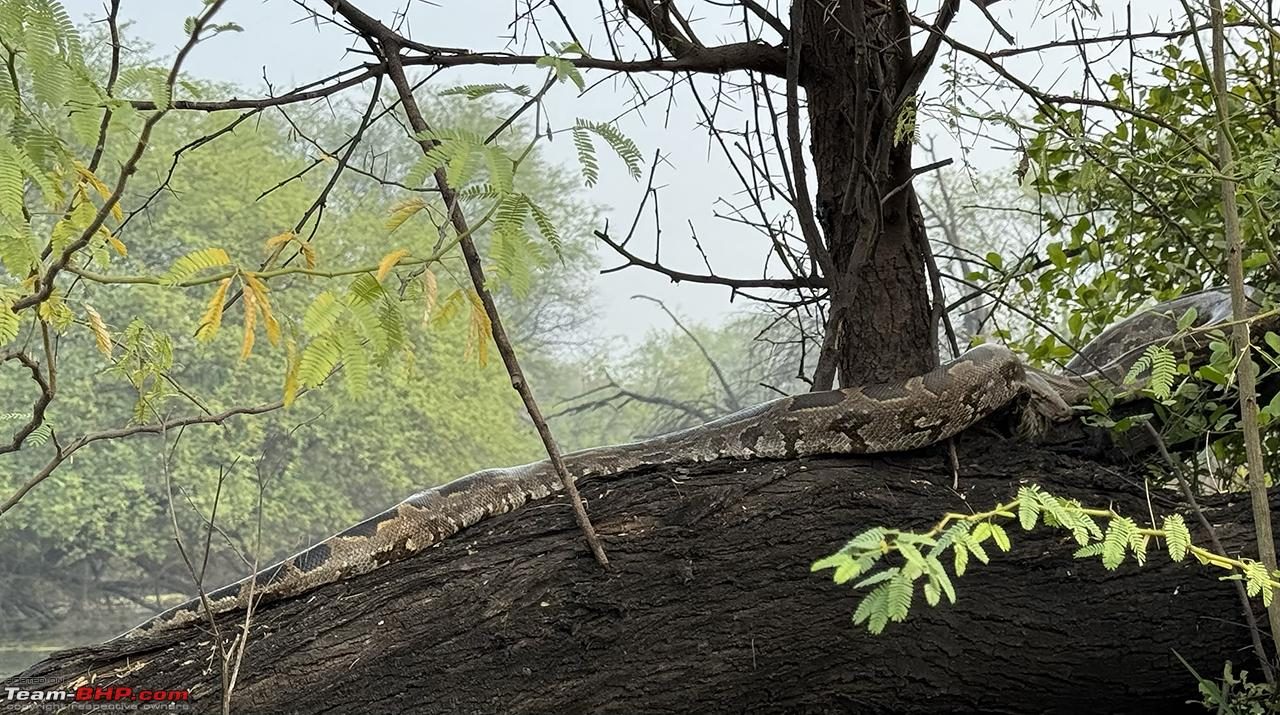
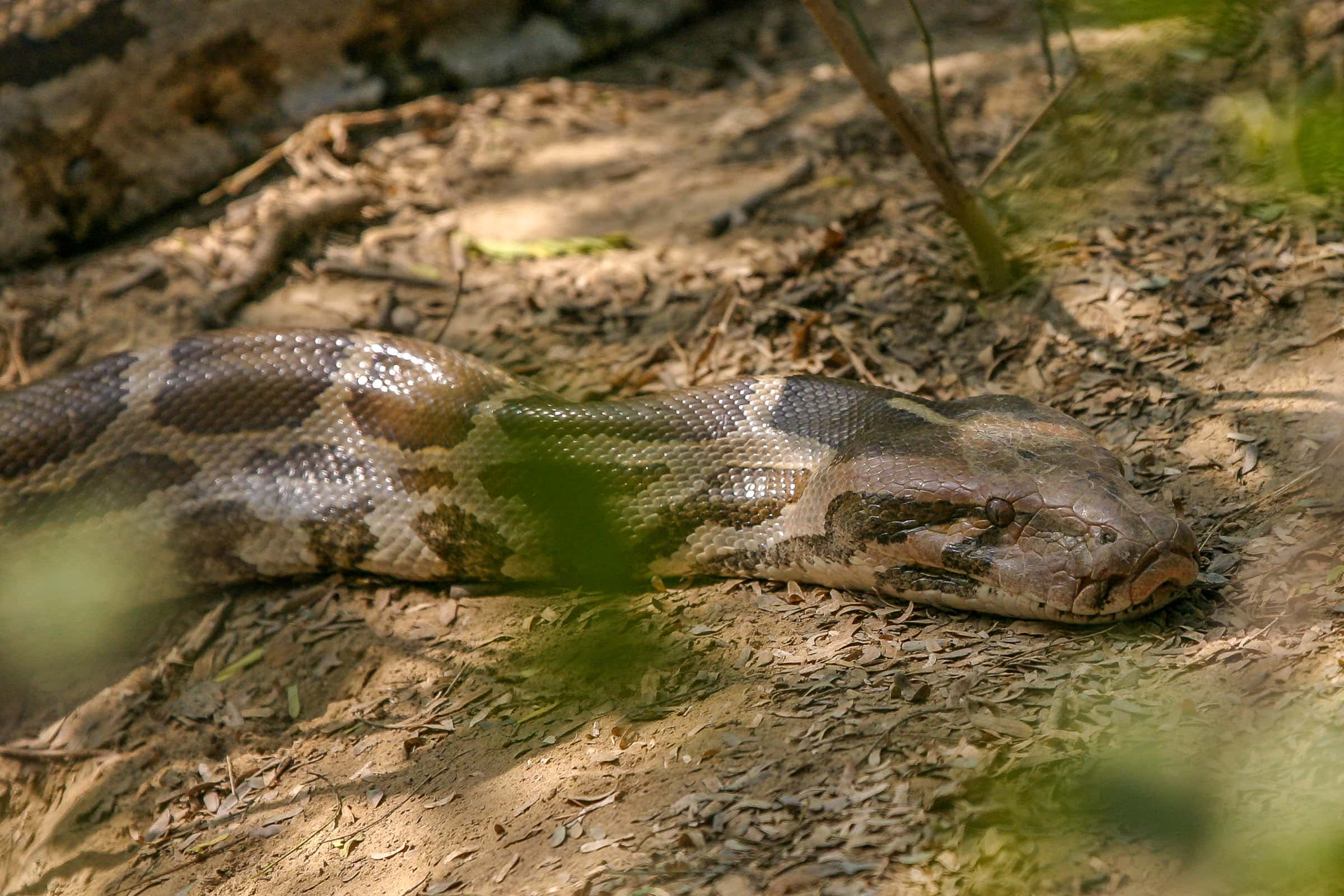
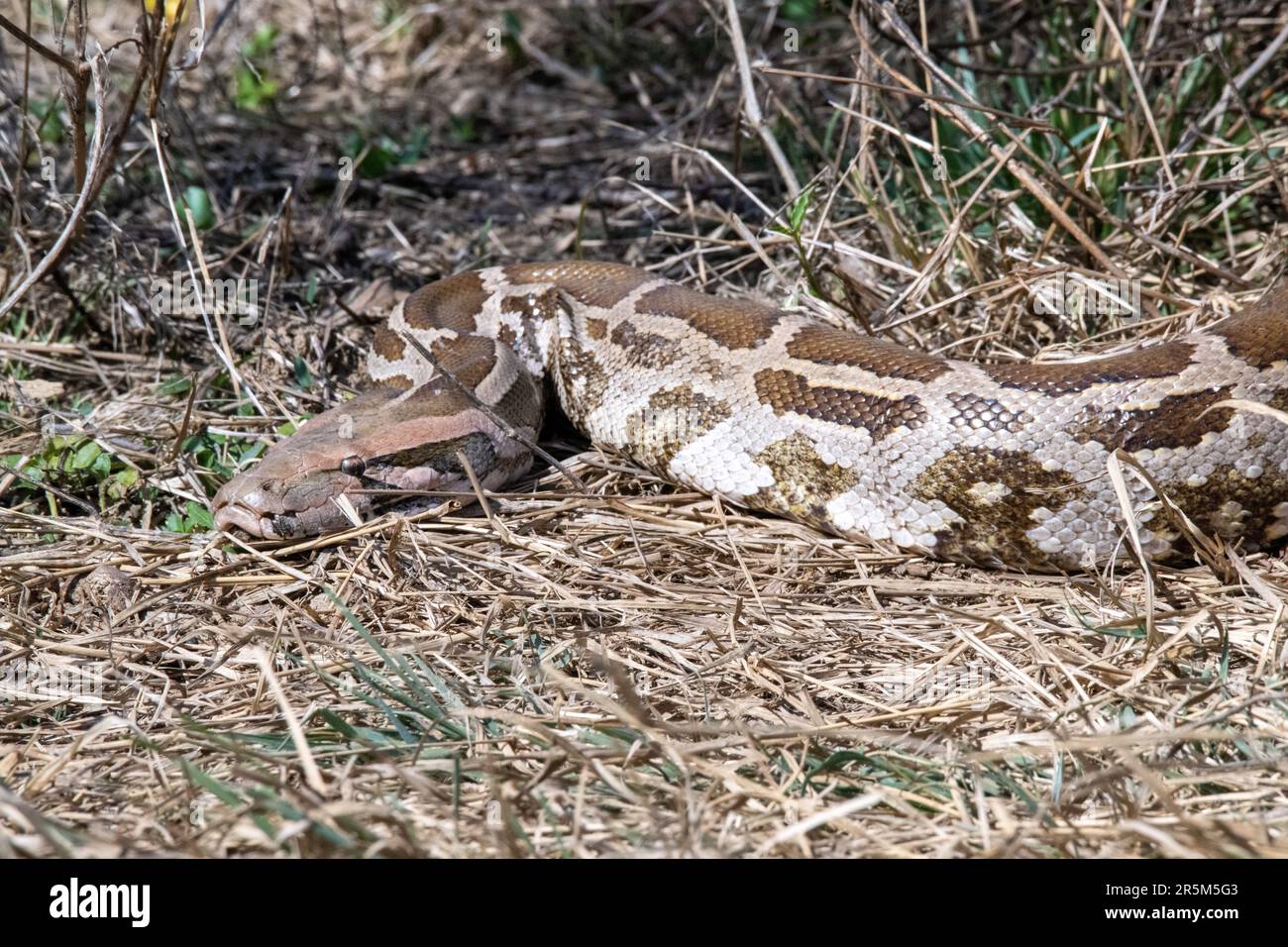
Continue to the sunning grounds where Indian rock pythons are often spotted.
Walk or cycle back along the bund trail, spotting waterfowl and waders en route.
Stop for tea or a snack at the small canteen beside Keoladeo Temple.
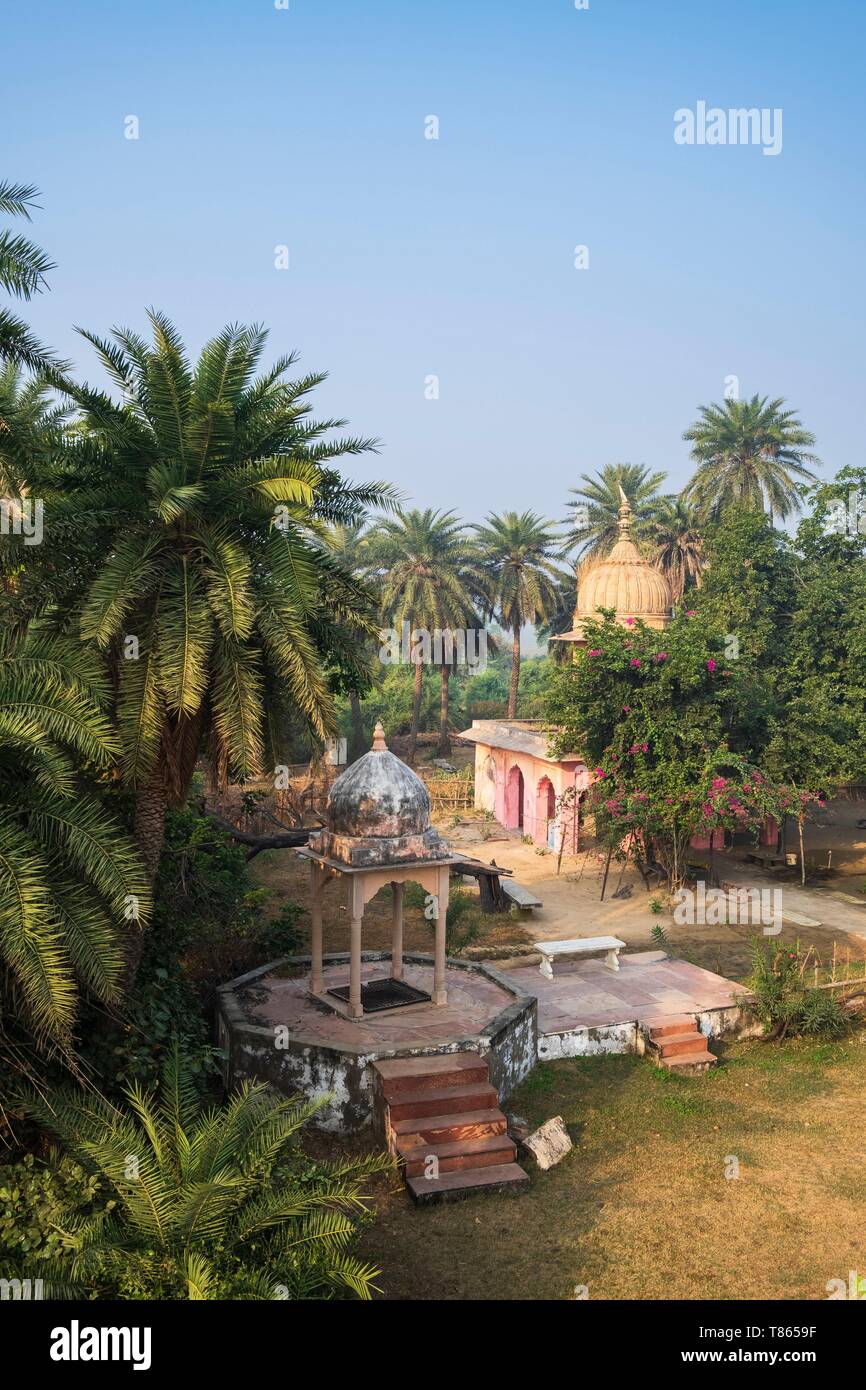
A small shrine dedicated to Lord Shiva sits at the heart of the park and gives Keoladeo National Park its name. A modest canteen beside it is one of the only food stops inside the entire 29 sq km reserve.
A marshy clearing along the interior trail network where Indian rock pythons are frequently seen sunning themselves, especially in cooler months. The spot lies past a turn near Sapan Mori on one of the park's main rickshaw routes.
A junction point along the interior road network marking the deepest part of the ancient saucer-shaped depression that forms the park's wetlands, sitting roughly two meters below the surrounding edges. It serves as the turning point toward both the temple and Python Point.
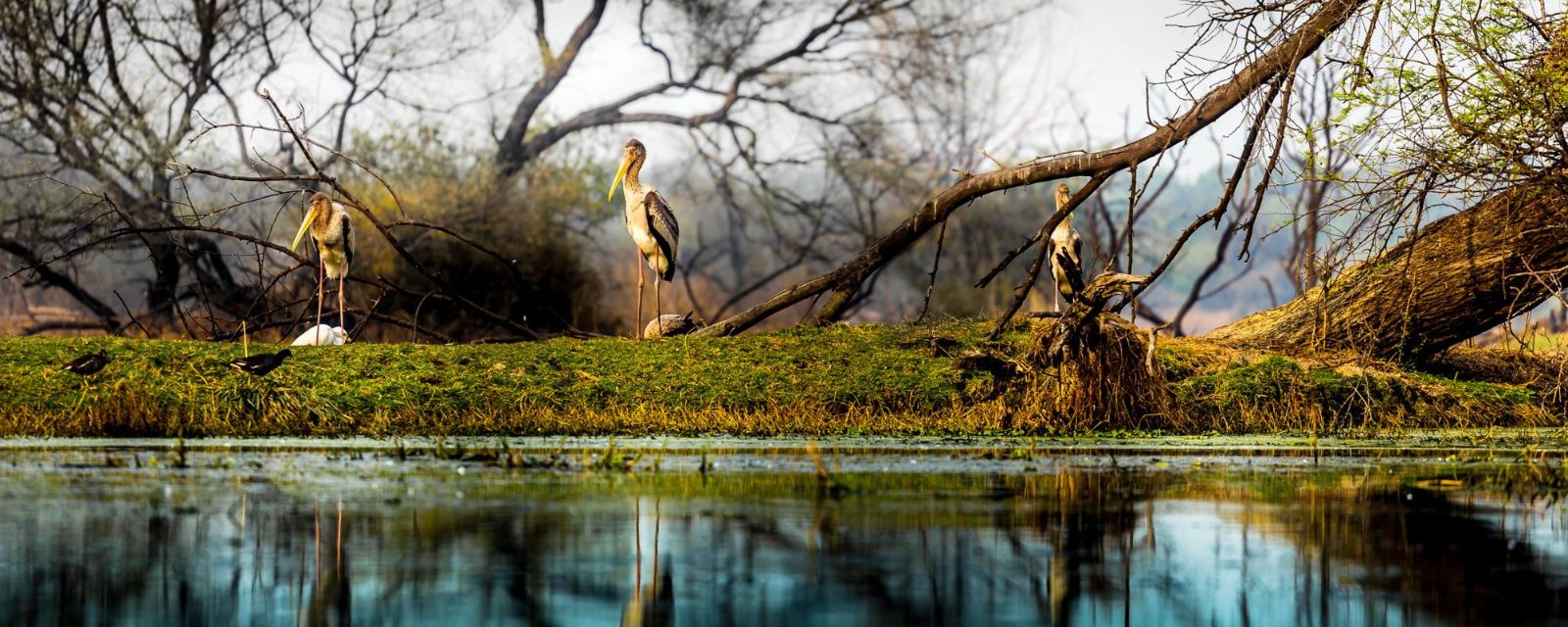
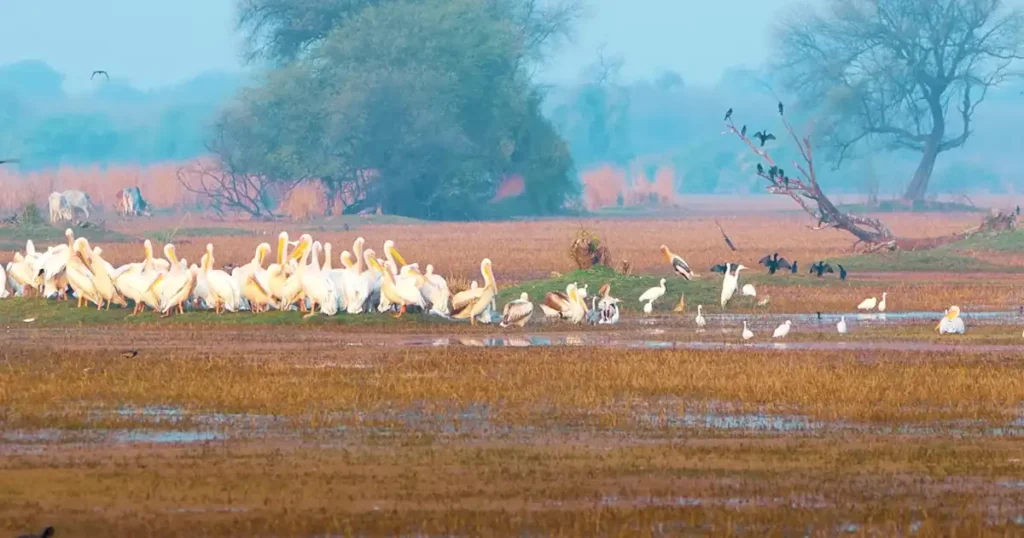
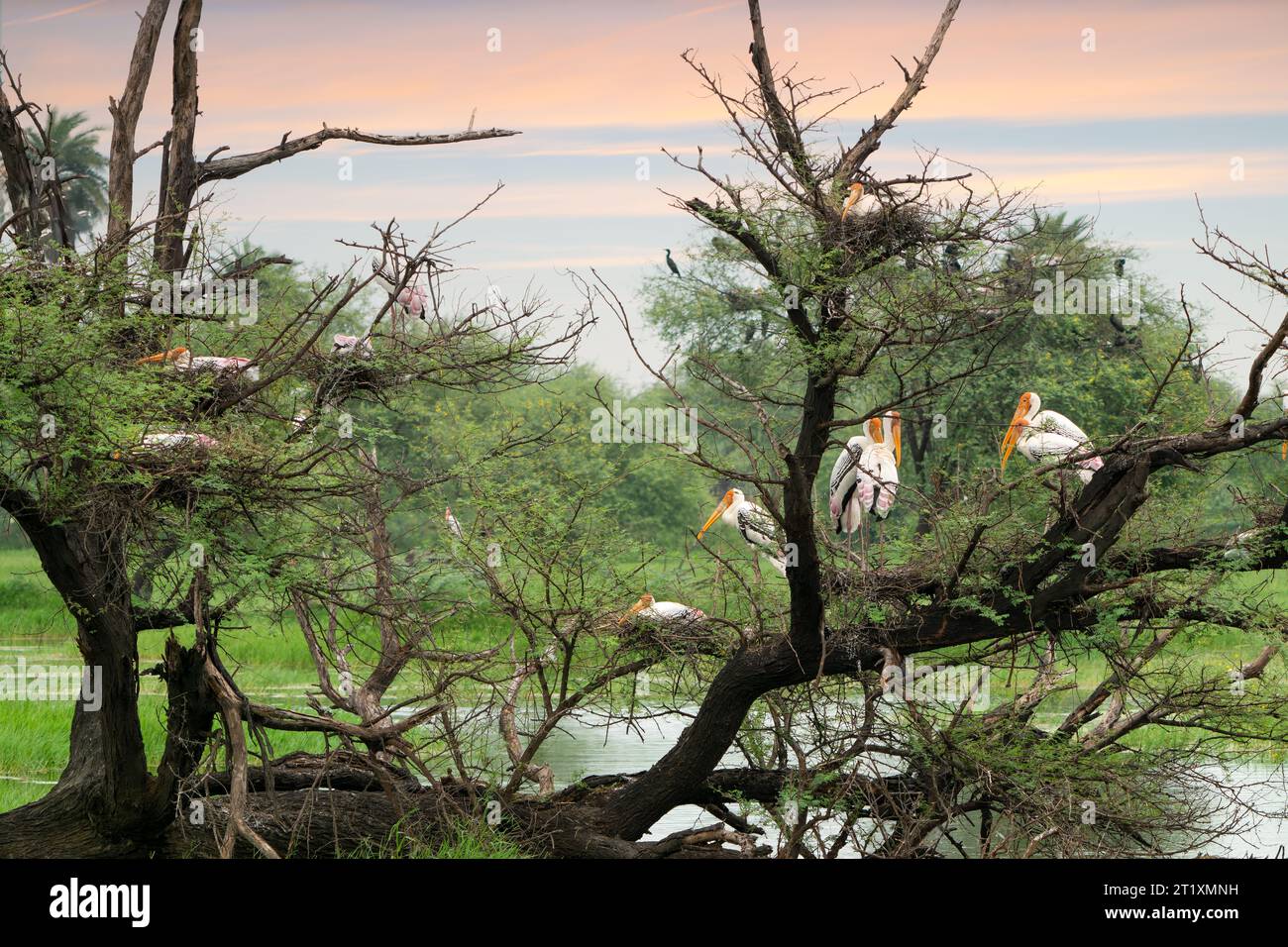
These adjoining wetland stretches form one of the most significant heronries recorded anywhere, drawing dense concentrations of painted storks, herons, and egrets especially during the winter breeding season. The marshes are fed by water historically diverted through the Ajan Bund irrigation system.
A six-kilometer walking and cycling trail that runs from Keoladeo Temple to Kadam Kunj, lined with babul trees along raised earthen bunds. The elevated path offers some of the park's better vantage points for spotting birds of prey gliding low over the wetlands.
The historic dam constructed by Maharaja Suraj Mal between 1726 and 1763 at the confluence of the Gambhir and Banganga rivers, whose diverted waters originally created the park's wetland habitat. It remains a critical, if occasionally contested, water source for the sanctuary today.
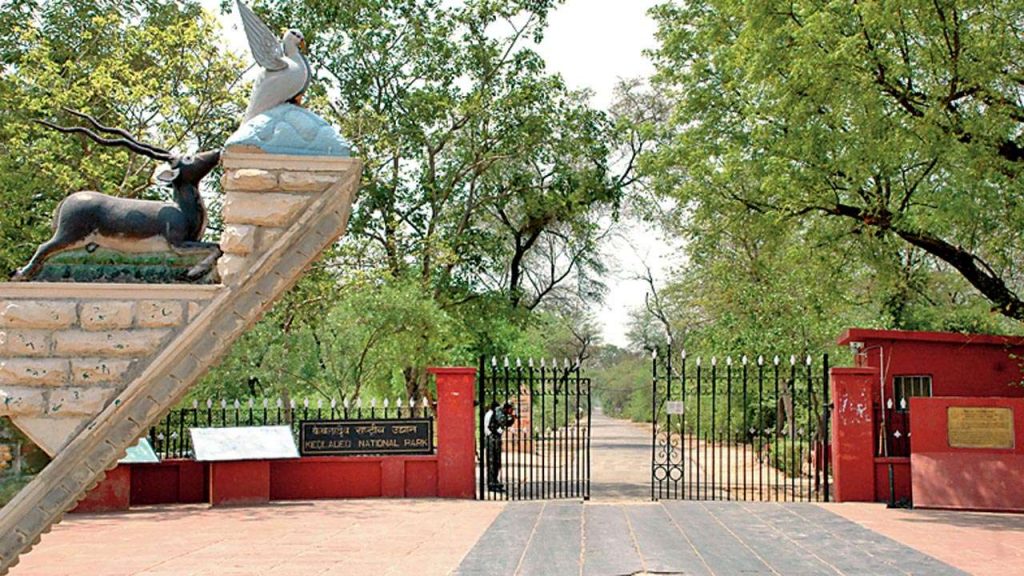
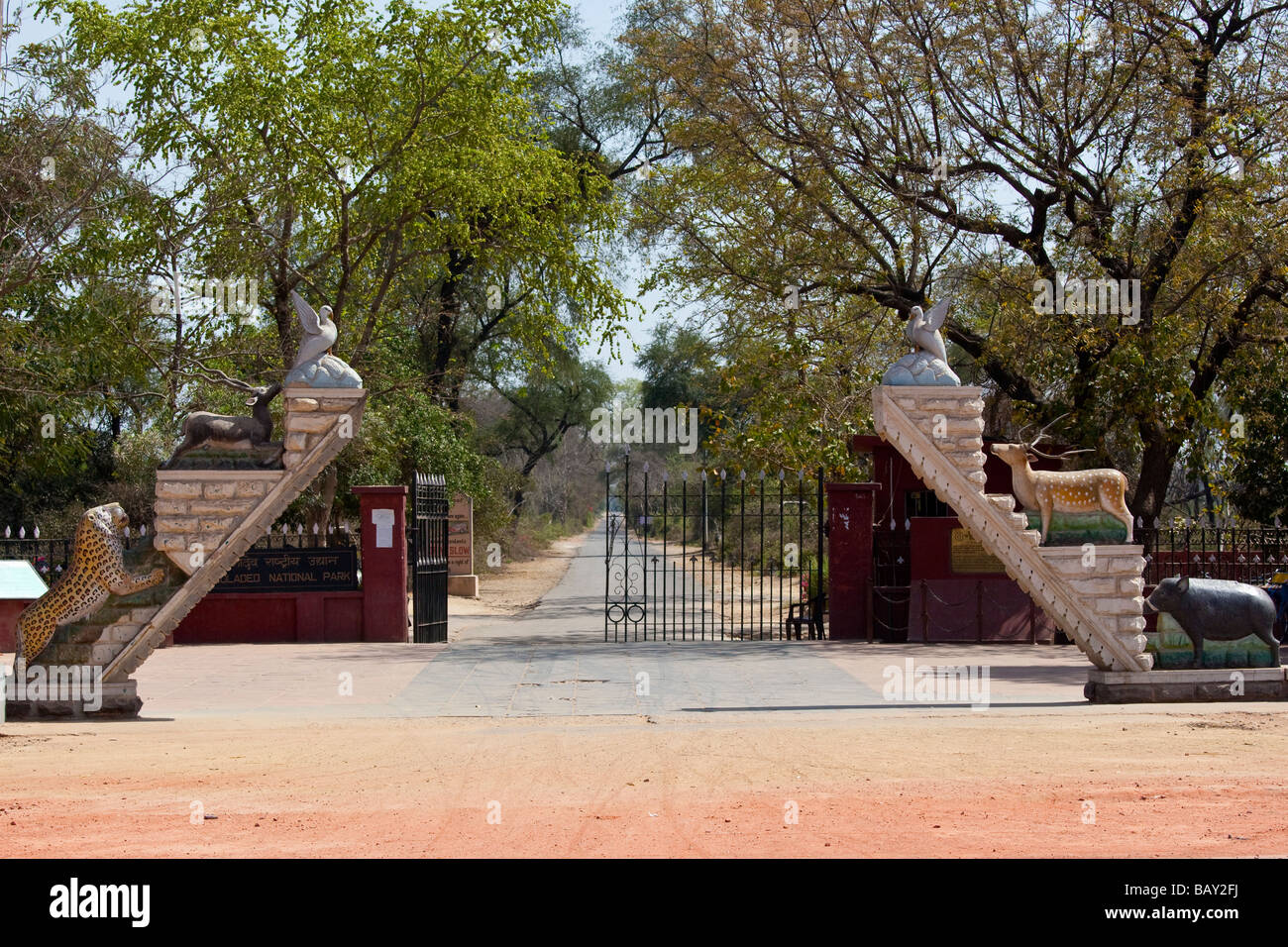
You arrive at the Bharatpur gate in the 06:30–09:30 window, when temperatures are still cool and bird activity peaks before the afternoon heat settles over the marsh. Foreign nationals pay 500 INR per person at the counter. You pass through, and the noise of the road stops within forty paces.
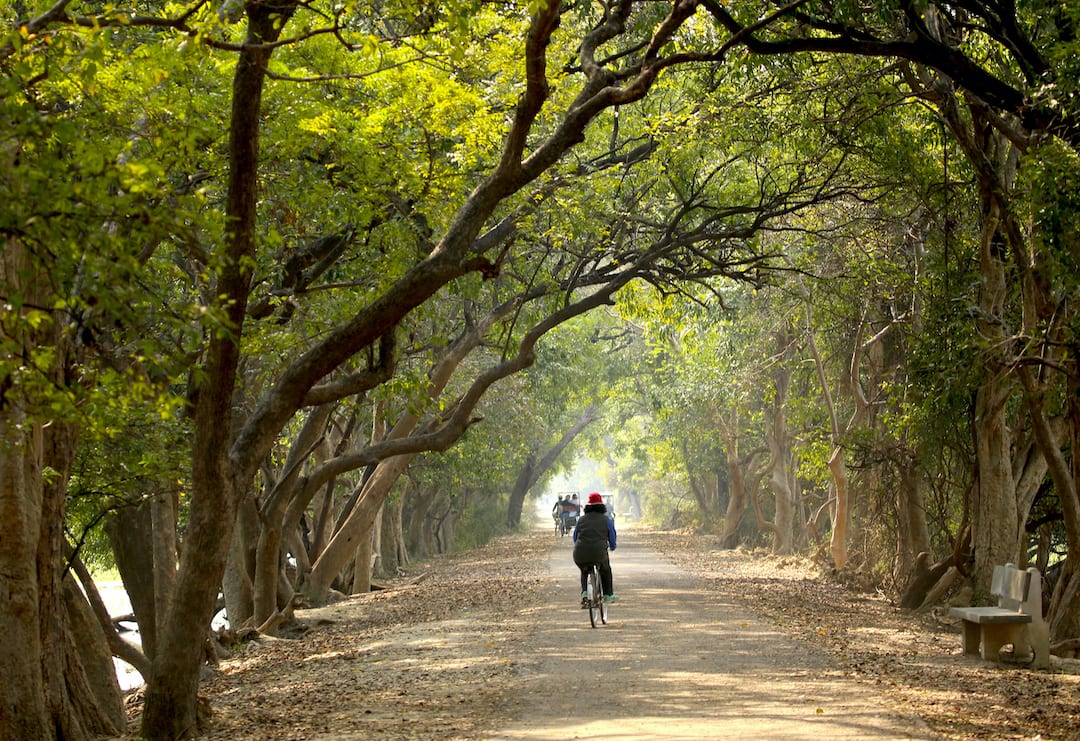
The main bund runs straight ahead, twelve kilometres of path with no engines on it. You choose: walk, hire a cycle, or take a licensed rickshaw whose driver will stop mid-sentence when a call changes. Within the first kilometre you reach the Sapan Mori crossing, where water opens on both sides and painted storks stand in the shallows like sentries. You pause. You count nests in a single acacia and lose track somewhere past thirty.
Further in, the path narrows past Keoladeo temple. You leave the bund and take a side trail on foot, boots on packed earth, and the marsh closes overhead in reeds. A Keoladeo National Park Tickets tour guide points out a rock python coiled in a disused burrow, three metres of it, entirely still.
By mid-morning you turn back with the light hardening. You stop once more at the water's edge, binoculars up, and watch a sarus crane pair cross open sky. The sanctuary holds its scale quietly. You walk out through the same gate you entered, dust on your boots, having covered perhaps eight kilometres without noticing the distance.
All the details about your upcoming adventure in one place
Keoladeo National Park Tickets cover entry to the Bharatpur bird sanctuary, a UNESCO World Heritage site built around man-made wetlands commissioned by the Maharajas of Bharatpur. Once a royal duck-shooting reserve, the 29-square-kilometre marsh now shelters painted storks, sarus cranes, kingfishers and hundreds of resident and migratory species along its dyke paths and shallow bunds. Cycle rickshaw guides and boat operators work the main Ghana canal route, and Keoladeo National Park Tickets tours are a natural pairing with other Bharatpur landmarks.
The wetland that draws ornithologists from four continents was engineered in the 1760s as a duck-shooting reserve for the Maharajas of Bharatpur. Water was diverted from the Ajan Bund to flood a natural depression, and for two centuries the marsh existed to be shot over.
A stone tablet near the entrance still records the day's tallies from colonial hunting parties. Protection came only in 1971; national park status followed in 1982, and UNESCO inscribed the site as a World Heritage property in 1985.
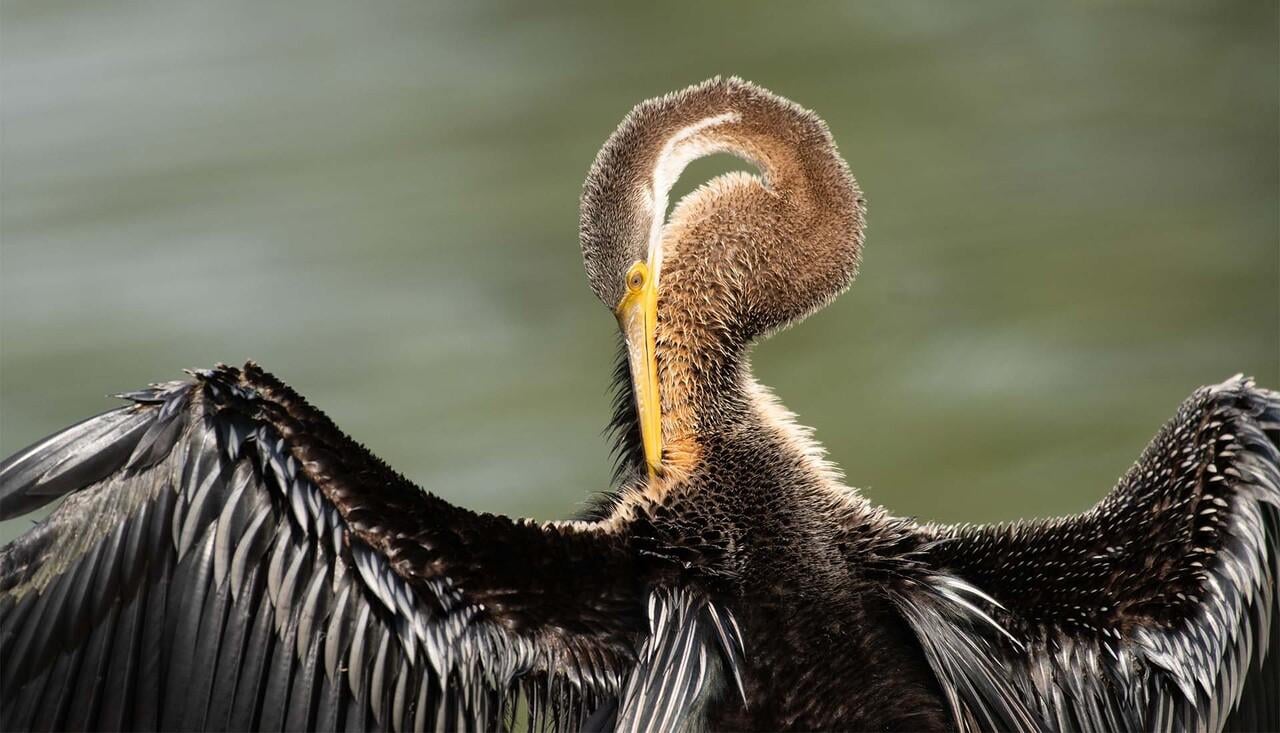
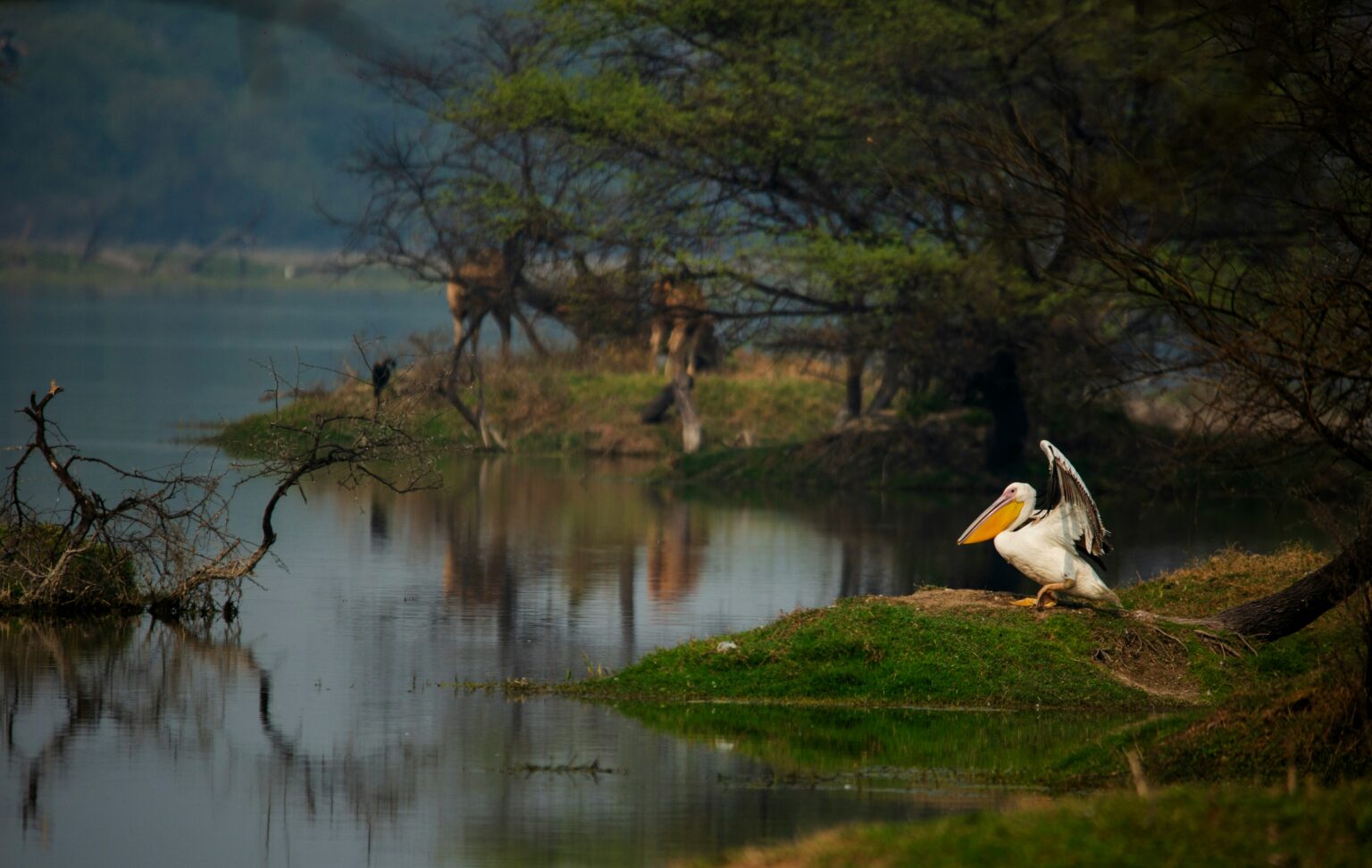
What survives is 29 square kilometres of shallow, human-made marsh that behaves like an ancient one. More than 370 bird species have been recorded here. Painted storks nest in the acacia stands in colonies of several hundred pairs. Sarus cranes, the tallest flying birds on earth, stalk the shallows in bonded pairs. Bar-headed geese arrive from Central Asia, having crossed the Himalaya at altitudes where the air holds a third of the oxygen at sea level. The Siberian crane, once the sanctuary's most celebrated winter visitor, was last confirmed here in 2002 — an absence that shapes conservation debate to this day. Those who reserve Keoladeo National Park Tickets are entering an ecosystem that is actively managed, not merely preserved.
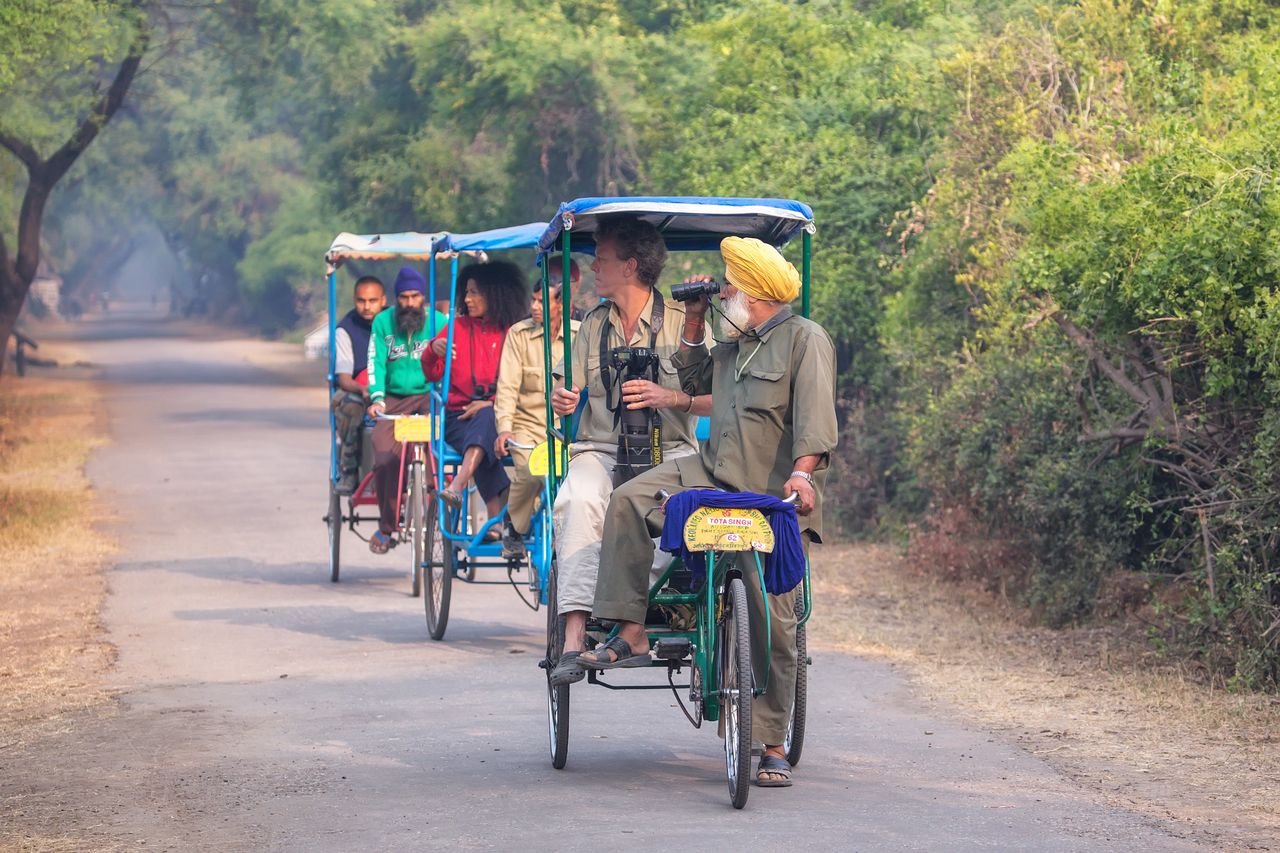
The park's architecture is hydrological rather than built. Raised earthen bunds divide the marsh into blocks that can be flooded or drained independently, a system inherited from the shooting era and now used to stage water levels for nesting. Twelve kilometres of metalled path run along these embankments, closed to motor traffic. Cycle rickshaw drivers licensed by the forest department work the same routes; many have birded here for thirty years and identify calls before the bird is visible. The Keoladeo temple that gives the park its name sits at the centre of the wetland, a modest Shiva shrine older than the marsh around it.
Significance now runs beyond birds. Keoladeo is one of the most closely studied wetland systems in South Asia, its water disputes with upstream agriculture a case study in how protected areas survive inside dense human landscapes. Python basking sites, nilgai herds, golden jackals and smooth-coated otters share the bunds. Fig and kadam trees hold the heronries.
Bharatpur bird sanctuary tours and independent walking visits both operate on the same 06:00–18:00 daily schedule. Keoladeo National Park Tickets tours suit visitors who want a naturalist's ear for calls; Keoladeo National Park Tickets tickets alone suit those content to walk the bunds slowly and let the marsh reveal itself.
The park's architecture is hydrological rather than built.
Wear muted, neutral-toned clothing (khaki, olive, grey) since bright colors can disturb birds along the marsh trails inside the park. Closed walking shoes are recommended over sandals, as the rickshaw and cycling tracks pass through damp, sometimes muddy ground near Mansarovar and Hansarovar. From April through August, lightweight breathable fabrics and a wide-brimmed hat are practical given midday temperatures that regularly exceed 38°C.
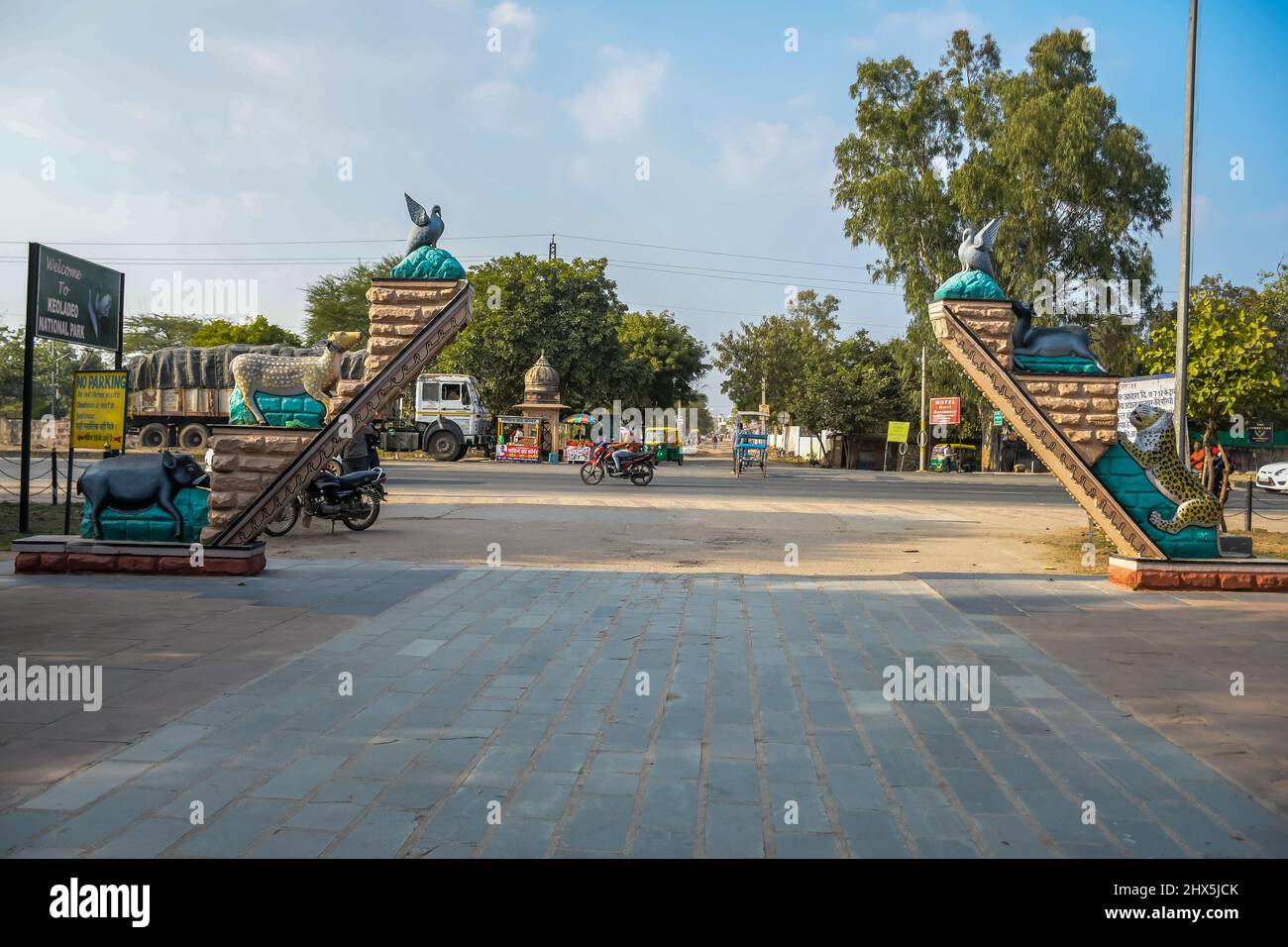
A basic bag check is carried out at the main entrance gate near the ticket counter, and motor vehicles are stopped at the boundary since private cars and two-wheelers cannot enter the park itself. Visitors may carry a single day pack with water, snacks, and camera gear; larger luggage should stay at the hotel rather than the entrance, as no dedicated cloakroom exists on site. Rickshaw and cycle rental counters sit just past the gate for those who prefer not to walk the full network of tracks.
Digital still cameras are permitted without an extra charge at the gate, while video cameras attract a separate fee assessed by camera type. Tripods and long lenses are common among the park's bird photographers and are not restricted, but flash photography near nesting colonies is discouraged by park guides to avoid disturbing breeding birds. Drone use is not permitted anywhere inside Keoladeo National Park.
Children generally enjoy the rickshaw or cycle-rickshaw rides more than the longer walking trails, and rickshaw pullers double as informal bird spotters for younger visitors. Keep sun exposure in mind for small children during the hotter months and bring snacks, since food options inside the park itself are limited.
Cycle rickshaws and battery-assisted carts can be hired at the gate for visitors who cannot walk the several kilometers of interior trails, and the main tarred road running from the entrance toward Keoladeo Temple is relatively level. Boardwalks near some marsh viewpoints are narrower and may be difficult for wheelchair users, so requesting a rickshaw puller familiar with accessible routes at the ticket counter is worthwhile.
A small canteen operates near the Keoladeo Temple inside the park, serving tea and light snacks, but there is no full restaurant within the boundary. Most visitors carry bottled water and packed snacks, and fuller meal options are available at hotels and dhabas along Bharatpur's Fatehpur Sikri Road just outside the park gate.
Generally quieter than weekends
Busiest day, more domestic visitors
Hours
Open daily 06:00–18:00, all seven days
Address
Keoladeo National Park, Bharatpur, Rajasthan 321001, India
Terrain
Flat gravel and tarred paths, some uneven sections near marsh edges
Best arrival
06:30–09:30 for cooler air and peak bird activity
Storage
No formal lockers; carry only a day bag inside the gate
Public transport · 10–15 min from station · Rickshaw fare around 50–100 INR
Take a train to Bharatpur Junction on the Delhi–Mumbai line, then an auto-rickshaw roughly 5 km to the park gate.
Car · 3.5–4 hours from Delhi or Jaipur · Parking fee payable at gate
Drive via NH-19 from Delhi or Jaipur; private vehicles must park at the designated area outside the gate, as motor vehicles are not allowed inside the park itself.
Taxi · 1–1.5 hours from Agra · Fare varies by distance and vehicle type
Hire a taxi from Agra, about 54 km away, or from Bharatpur city hotels directly to the park entrance.
Bike · Full-day rental · Approx. 50–60 INR per 4 hours
Rent a bicycle just inside the main gate to cover the interior trail network independently.
Keoladeo National Park Tickets bought online or at the gate are generally non-refundable once issued, since the 500 INR foreign-national entrance fee covers same-day park access only. If a rickshaw, cycle, or guide add-on was booked separately, check that operator's own cancellation window, typically 24 hours before the visit date.
Recommended time
3-4 hours
Most visitors booking Keoladeo National Park Tickets budget 3 to 4 hours for a rickshaw or cycle circuit through the wetland trails, which covers the core birding zones without rushing. Add an hour if you're arriving with a full Keoladeo National Park Tickets tour that bundles a guide, since commentary stops slow the pace; subtract time if you're only doing a short loop near the entrance. Queues at the gate are usually brief outside peak winter weekends, so the time you save by arriving early goes straight into birding rather than waiting in line. Treat 3-4 hours as the sightseeing core, with a full day possible if you linger over every hide.
Crowd levels through the day
Weather · crowds · average price — dots go green to amber to red as each metric rises.
Peak season for Keoladeo National Park Tickets, with migratory Siberian and demoiselle-adjacent waterfowl arriving and daytime temperatures between 10–25°C. Crowds are heaviest around Christmas and New Year week.
Many migratory species are still present into March, with milder crowds and warming daytime temperatures around 25–32°C.
Hot and dry with temperatures often above 38°C by midday; fewer tourists but resident birds and breeding activity of herons and storks continue in the monsoon-fed marshes from July.
Post-monsoon greenery returns and water levels are typically good in the wetlands, with early migratory arrivals beginning by late October and moderate crowds.
Only cycle rickshaws with an official yellow plate are authorized inside the park, and many pullers double as bird spotters carrying binoculars.
Rickshaw and bicycle rental fees are typically settled in cash at the gate, so bring small denominations of rupees.
Bright colors can startle birds along the marsh trails, so muted khaki or olive tones work better for close sightings.
While some rickshaw pullers carry binoculars, having your own pair improves views of distant waders and raptors.
A digital still camera is free to bring in, but video cameras carry a separate fee assessed at the gate depending on camera type.
The Mughal-era ruins at Fatehpur Sikri sit about 25 km away and pair well with a Bharatpur day trip.
Rickshaw hourly rates are posted at the gate; confirm the fare with your puller before setting off to avoid disputes.
Keoladeo National Park, Bharatpur, Rajasthan 321001, India
Ticket counter and rickshaw/bicycle rental point
Get directions
Interior park road, roughly 2 km from the main gate
Common midpoint stop with canteen and shaded seating
Get directionsThe wetland that visitors reach today with Keoladeo National Park Tickets began as an engineering decision, not an act of preservation. Maharaja Suraj Mal of Bharatpur, who ruled from 1755 until his death in 1763, ordered the raising of the Ajan Bund at the confluence of the Gambhir and Banganga rivers. The earthwork was built to protect Bharatpur town from monsoon flooding. Water pooled in the natural depression behind it. A shallow, seasonal marsh formed where dry scrub had been. The name Keoladeo comes from an ancient Shiva temple standing within the grounds; the word ghana refers to the dense thicket that once covered the tract. By the late nineteenth century the Bharatpur rulers had converted the marsh into a managed duck shoot, dividing it with bunds and sluices to hold water for the guns. Stone pillars near the entrance still record the tallies. The largest bag came on 12 November 1938, when a party hosted for Viceroy Lord Linlithgow killed 4,273 birds in a single day. Shooting continued after independence, the final recorded hunt taking place in 1964, and the pillars remain the most confronting relic on any Bharatpur bird sanctuary tour. The reversal owed much to the ornithologist Salim Ali, whose surveys and advocacy pressed the case for protection. The area was declared a bird sanctuary on 13 March 1956, and grazing by village cattle was banned in 1982 — a decision that provoked violent protest and deaths at Aghapur that November. National park status followed in 1982, and UNESCO inscribed the site as a World Heritage property in 1985. Guides on Keoladeo National Park Tickets tours still explain how the artificial hydrology that once served hunters now sustains painted storks, sarus cranes and the herons of the heronry. Visitors buying Keoladeo National Park Tickets tickets, or joining a guided Keoladeo National Park Tickets tour, walk embankments raised for sport and now maintained for nesting colonies. The Siberian crane, last confirmed in 2002, is the loss that history did not undo.
Maharaja Suraj Mal ordered construction of the Ajan Bund, flooding the natural depression that became Keoladeo's wetland.
Bharatpur rulers engineered bunds and sluices to convert the marsh into a managed waterfowl shoot.
A shoot hosted for Viceroy Lord Linlithgow on 12 November recorded 4,273 birds killed in one day.
The wetland was declared a bird sanctuary on 13 March, following advocacy by ornithologist Salim Ali.
The last recorded organised duck shoot took place within the grounds.
Cattle grazing was banned and national park status conferred, with protests at Aghapur turning fatal that November.
UNESCO inscribed Keoladeo as a World Heritage Site.
The last confirmed Siberian cranes were sighted, ending a wintering tradition documented for over a century.
A quiet bund-side stop where rock pythons often bask in the open on cool mornings, best photographed with a long lens from the trail edge without stepping off the path.
Booking Keoladeo National Park Tickets with young children in tow feels different from a typical wildlife park visit, since there are no jeeps or long game drives — instead, the park's flat paved paths make it a genuinely manageable half-day out for mixed-age groups, from toddlers to grandparents.
The main road inside is paved and level, so a lightweight stroller works fine for the first stretch near the entrance; further in, a tonga or cycle-rickshaw is more practical than pushing a stroller over dirt side-trails.
Toddlers and young kids do well here since the pace is slow and quiet by design — one family reported an easy visit with three children under two, helped along by a small on-site museum that takes just 15-20 minutes.
A horse-drawn tonga covers ground faster than cycling, so families with small children or older relatives can see the key water bodies in 2-3 hours instead of a full day on foot; plan around the 06:00-18:00 window and aim to be inside well before midday heat sets in.
A canteen, souvenir shop, and toilets sit near the main gate, useful for snack or bathroom breaks before heading deeper into the park with kids.
Rickshaws and tongas typically go 4-5 km from the main gate, which is a realistic radius to plan a family loop around rather than attempting the park's full extent with young children.
Pack water and light snacks, since options thin out once you're past the entrance area and canteen.
Real experiences from real travelers
We were through the gate by six-thirty and the light on the water was still grey-blue, which is when the painted storks are loudest. Booking Keoladeo National Park Tickets online meant we walked straight past the counter queue and onto a rickshaw. Our guide could pick out a bittern in the reeds from thirty metres, which I never would have managed alone.
Rented a cycle at the gate and rode the main bund slowly, stopping wherever something moved in the water. The Ghana bird sanctuary is flatter and quieter than I expected, more marsh than forest. Heard more than we saw in the middle stretch, but the heronry made up for it.
Fog sat on the wetland until nearly eight and then burned off in about ten minutes, and suddenly there were spoonbills everywhere. We had booked Keoladeo National Park Tickets tickets the night before and there was no fuss at the entrance. Bring more water than you think you need, the shade thins out past the temple.
Plenty to see along the water channels, though the drier sections in March were fairly bare. Our rickshaw guide at Keoladeo National Park knew the nesting trees by heart and stopped without being asked. The gravel gets dusty by midday so a scarf helps.
Two sarus cranes walked out onto the open marsh near Sapan Mori just as the light went orange, and nobody around us said a word for about five minutes. This UNESCO wetland deserves more than a rushed hour. The Bharatpur bird sanctuary tour we joined was small, just four of us and a naturalist.
Came expecting a park and found a proper wetland, all shallow water and half-drowned acacia. Kingfishers, cormorants, a jackal crossing the track ahead of the rickshaw. Keoladeo National Park Tickets tours seem to run mostly in the morning and that is clearly the right window.
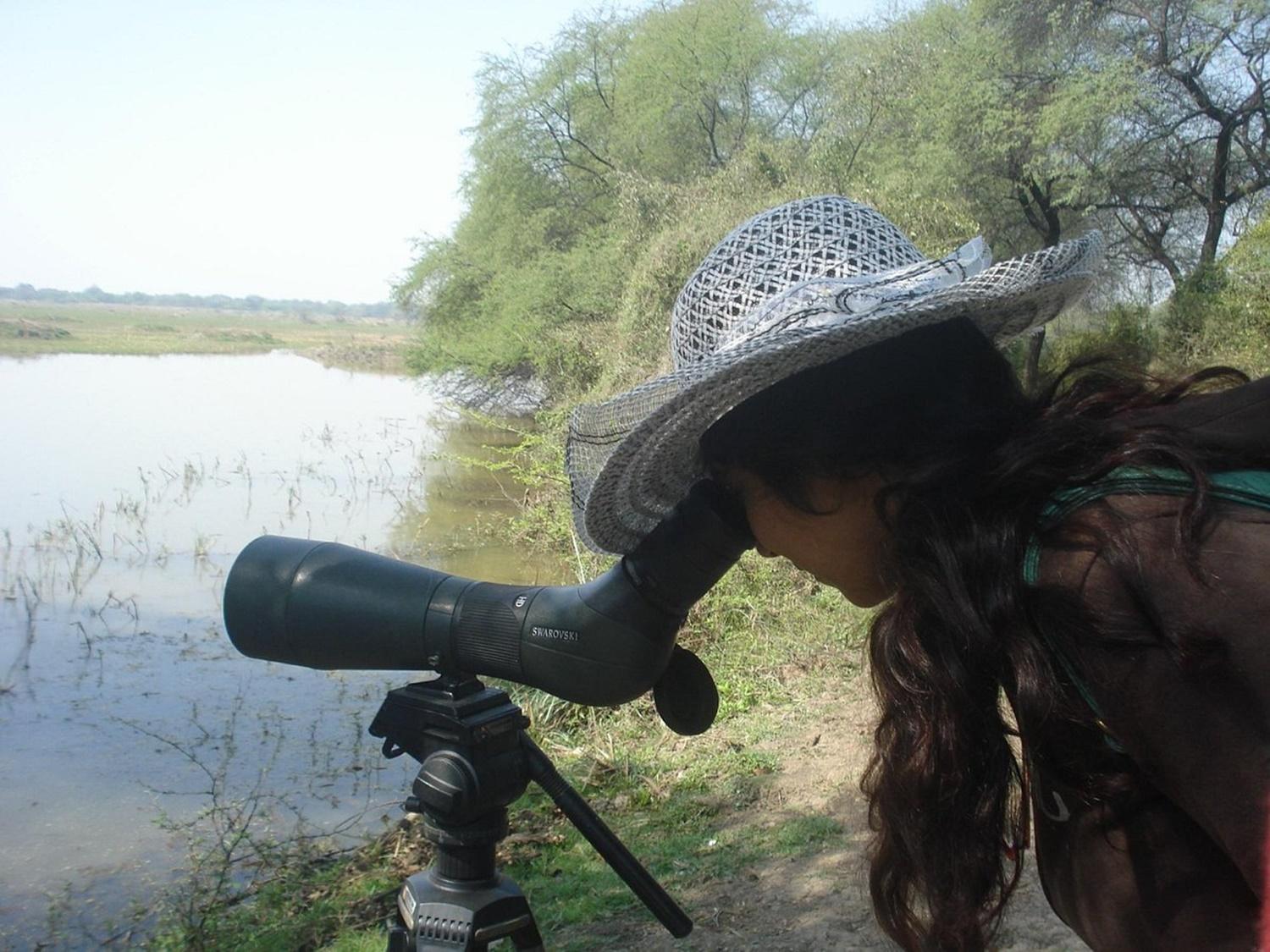
Hundreds of nests packed into a single stand of trees, with chicks calling non-stop over the water. The Keoladeo National Park Tickets tour guide carried a scope and let everyone take a turn. Cool December air made the walking easy.
Without binoculars you will still enjoy the walk but you will miss most of it. Water levels were lower than we hoped in October, so the birds were concentrated in fewer channels, which honestly made spotting simpler. Rajasthan landmarks tend to be crowded and this one was refreshingly not.
Went at the tail of the monsoon and the whole marsh was flooded and loud with frogs. Fewer migratory species that month, but the resident herons and jacanas were everywhere and the greens were extraordinary. Mosquito repellent is not optional.
Late May was hard going, most channels had dried and we saw far less than the guidebooks suggest. The staff were helpful and the entry process was quick. I would go back, just not in high summer.
Everything you need to know for your journey
Keoladeo National Park is open daily from 06:00 to 18:00, seven days a week, with no weekly closure day.
The entrance fee for foreign nationals is 500 INR per person, payable at the main gate ticket counter.
Cycle rickshaws and bicycles can be hired at the entrance for visitors who prefer not to walk the interior trails, though some boardwalk sections near the marshes are narrower and less suited to wheelchairs.
Prohibited items include drones, loudspeakers, plastic bags, firearms, firecrackers, and pets, among others listed at the gate.
Digital still cameras are allowed free of charge with your Keoladeo National Park Tickets, while video cameras incur a separate fee based on camera type.
Arriving between 06:30 and 09:30 offers cooler temperatures and peak bird activity before the midday heat and afternoon crowds build up.
Neutral, muted clothing such as khaki or olive is recommended, since bright colors can disturb birds along the marsh trails.
A small canteen near Keoladeo Temple serves tea and snacks, but fuller meals are best found at hotels and dhabas outside the gate.
Bharatpur is reachable by train from Delhi or Jaipur via Bharatpur Junction, or by road via NH-19, roughly 3.5 to 4 hours from either city; the park is about 54 km from Agra.
Yes, families often find rickshaw or cycle-rickshaw rides through the park more manageable for children than the longer walking trails.
Keoladeo National Park Tickets are generally non-refundable once issued for the visit date, since the fee covers same-day entry only.
Nearby landmarks include Bharatpur Fort (Lohagarh) in Bharatpur city and the Mughal ruins at Fatehpur Sikri, about 25 km away, both of which pair well with a park visit.
A small Shiva shrine inside the park that gives Keoladeo National Park its name. A modest canteen sits beside it for tea and snacks.
A marshy clearing where Indian rock pythons are commonly seen sunning themselves in cooler months. It sits along the interior trail network beyond Sapan Mori.
Two adjoining wetland stretches long noted as a major heronry, drawing large concentrations of storks, herons, and egrets.
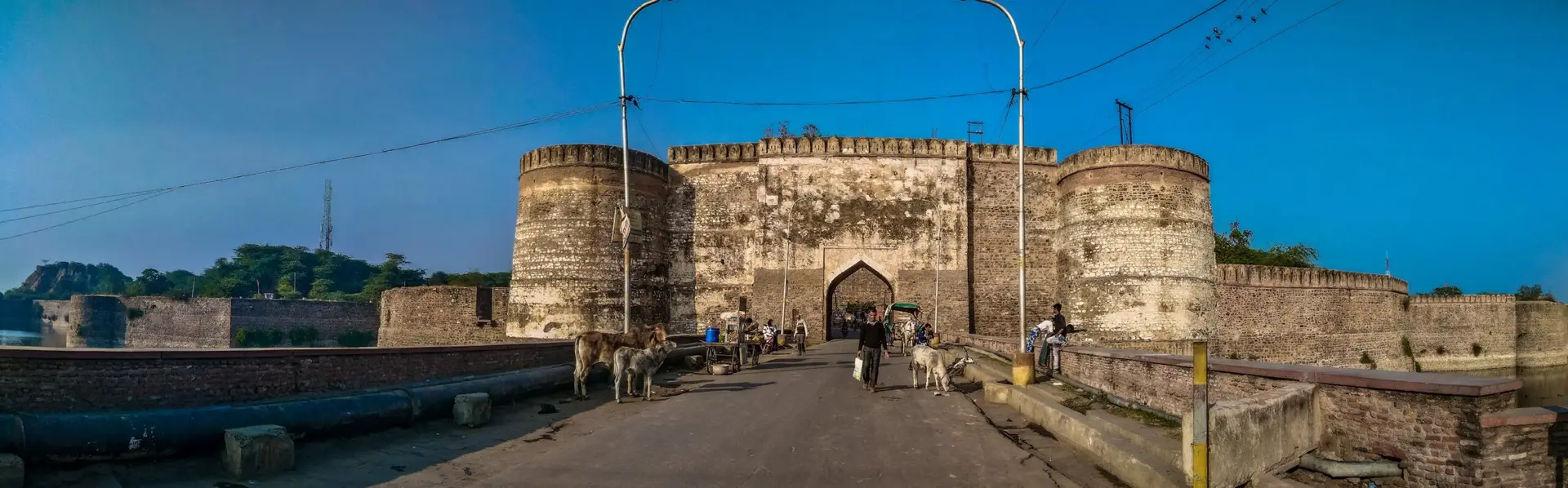
A historic fort in Bharatpur city known for its earthen ramparts that once resisted British sieges.
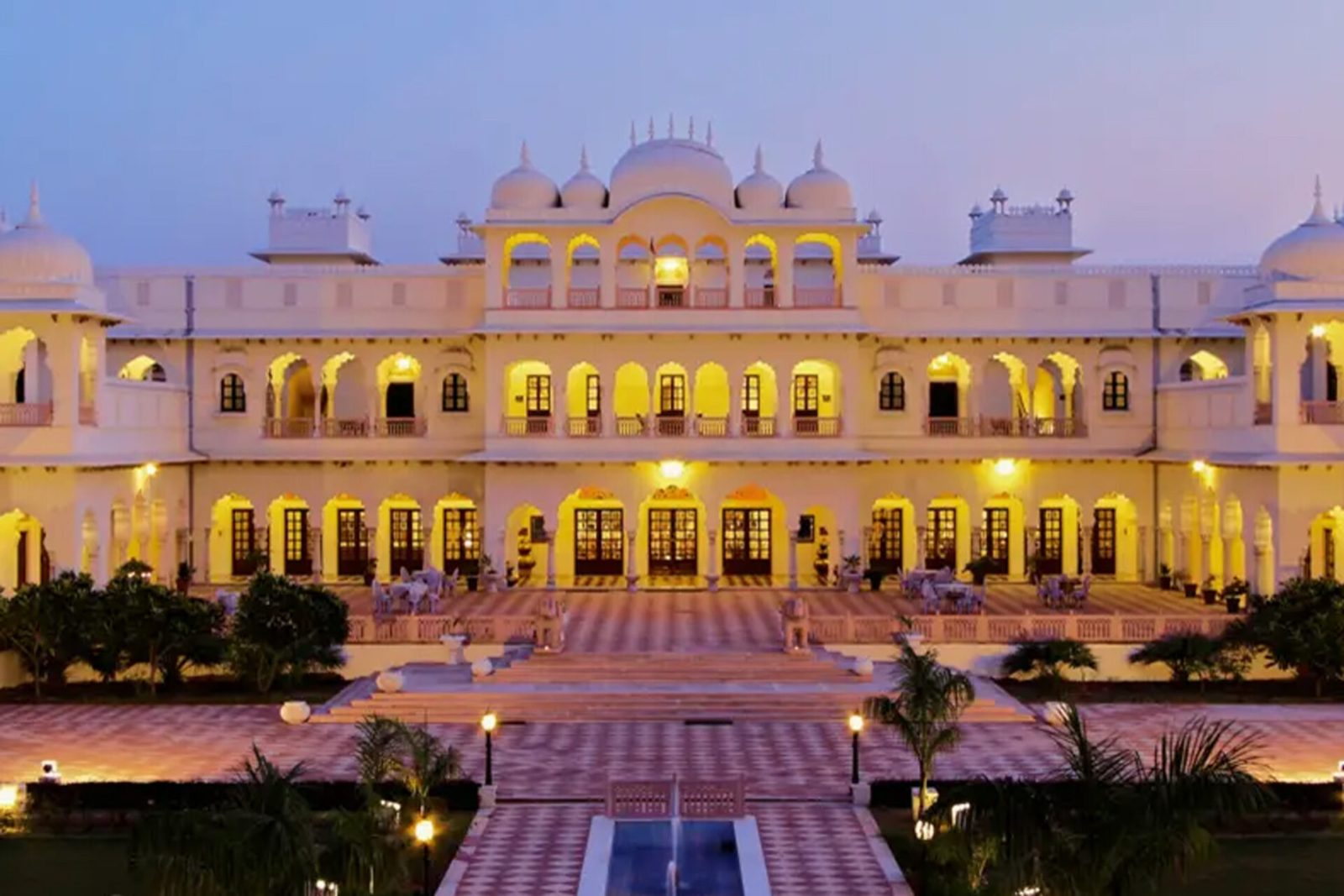
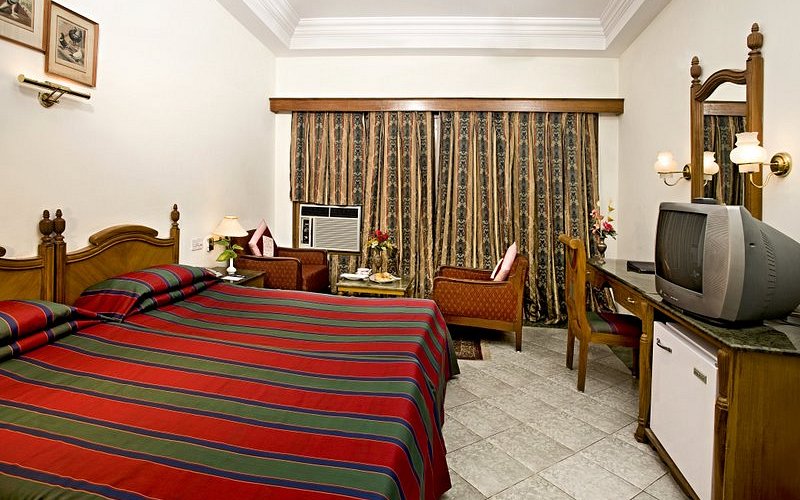
A heritage property on Kakaji Ki Kothi Road built by a Bharatpur royal family member, with palace-style rooms and gardens.
The only lodging located within the forest area itself, popular with dedicated bird photographers wanting dawn access.
A resort near the park offering straightforward rooms geared toward weekend and family visitors.
A cluster of guesthouses and budget hotels along the road running from Bharatpur city to the park entrance.
Join thousands of happy travelers who have discovered this incredible experience
Book Your Experience Now